
What to Do When Your House Floods
A Homeowner’s Emergency Guide to Staying Safe, Protecting Your Property, and Recovering After a Flood
A flooded home is one of the most stressful situations a homeowner can face. Whether water rises from heavy rain, a backed-up sump pump, an overflowing creek, or a failed water heater in the basement, the decisions you make in the first hours and days can have a big impact on your safety, your property, and your insurance claim.
Flooding is different from a small leak. Floodwater can be contaminated, it often affects large areas at once, and it can soak into walls, floors, and insulation quickly. This guide focuses specifically on flooding, so you know what to do, what to avoid, and when to call for professional help.
Put Safety First Before Entering a Flooded Home
Before you step into standing water, make sure the area is safe. Water and electricity are a dangerous combination, and floodwater can hide hazards you can’t see.
- Turn off electricity at the main breaker only if you can reach it without standing in water
- If you smell gas, leave immediately and call the gas company from a safe location
- Watch for sagging ceilings, buckled floors, and other signs of structural damage
- Wear rubber boots and gloves, and avoid direct contact with floodwater
- Keep children and pets out of affected areas
If water entered from outside or through a sewer backup, treat it as contaminated. Floodwater can carry sewage, chemicals, and bacteria that make cleanup a health concern, not just a cleaning job.
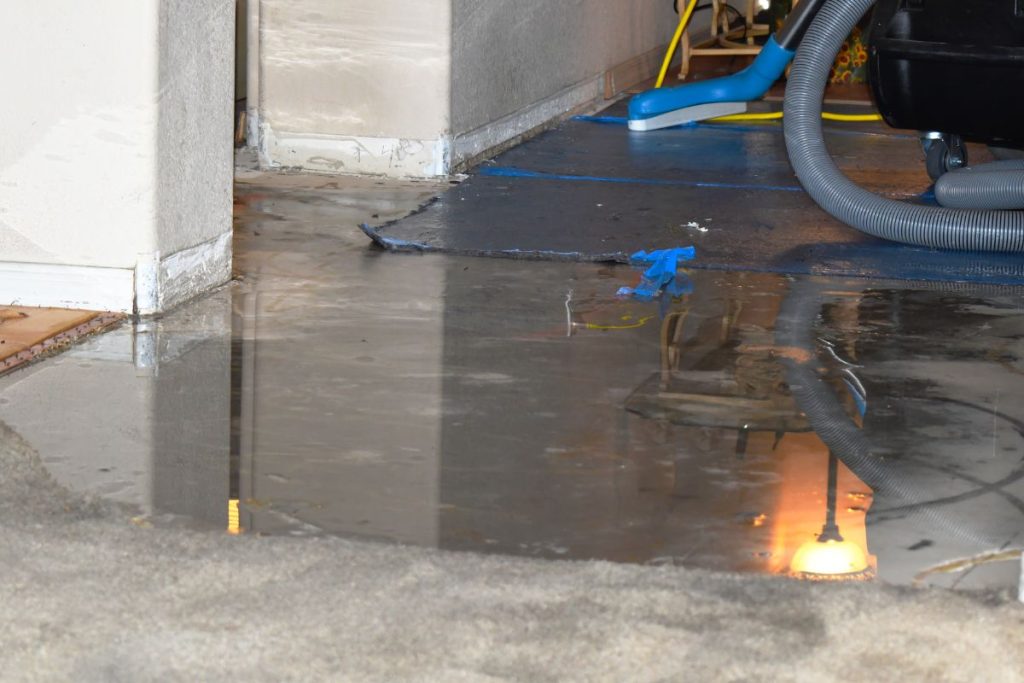
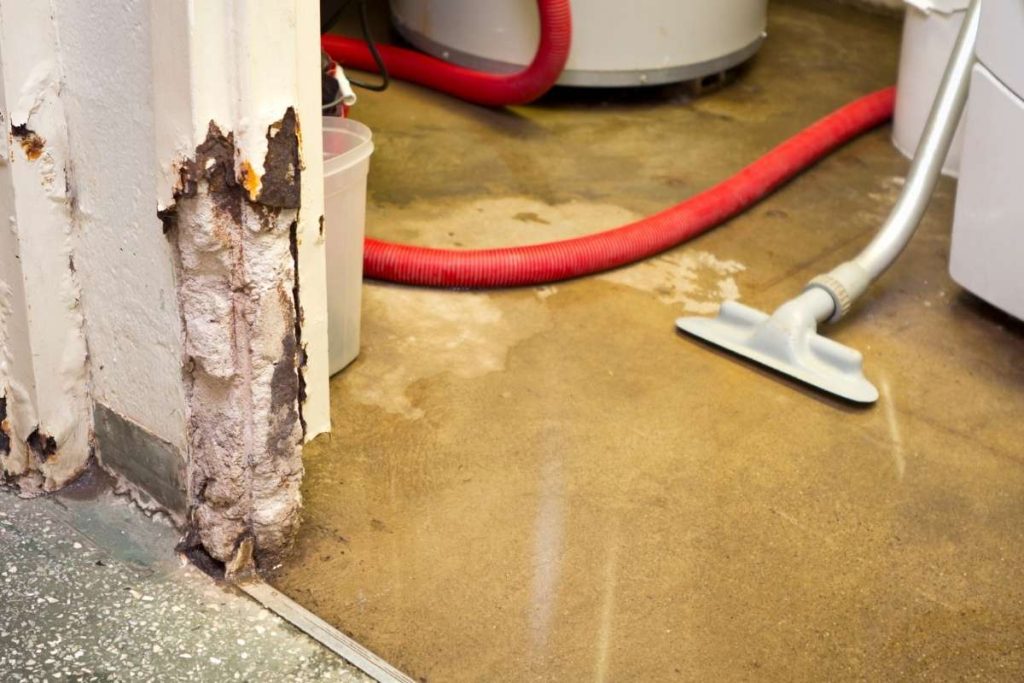
Stop the Water and Document the Damage
If the flooding is coming from inside your home, such as a burst pipe or failed appliance, shut off the main water valve as soon as it is safe. If water is coming from outside, focus on safety until conditions improve.
Before moving or throwing anything away, take photos and videos of every affected room, including water lines on walls, damaged flooring, furniture, and belongings. Write down when you discovered the flooding and what you believe caused it. This documentation will be important when you speak with your insurance company.
Understand Your Insurance Coverage for Flooding
Many homeowners are surprised to learn that standard homeowners insurance policies typically do not cover damage from outside flooding, such as rising water from storms or overflowing waterways. Flood coverage usually comes through a separate flood insurance policy, such as one from the National Flood Insurance Program.
Damage from sudden internal water sources, like a burst pipe, may be handled differently under a homeowners policy. Because coverage depends on the source of the water and your specific policy, contact your insurance agent or company as soon as possible to report the loss and ask what steps they require. Learn more in our guide to what to do immediately after your home is damaged.
Remove Water and Dry Your Home Quickly
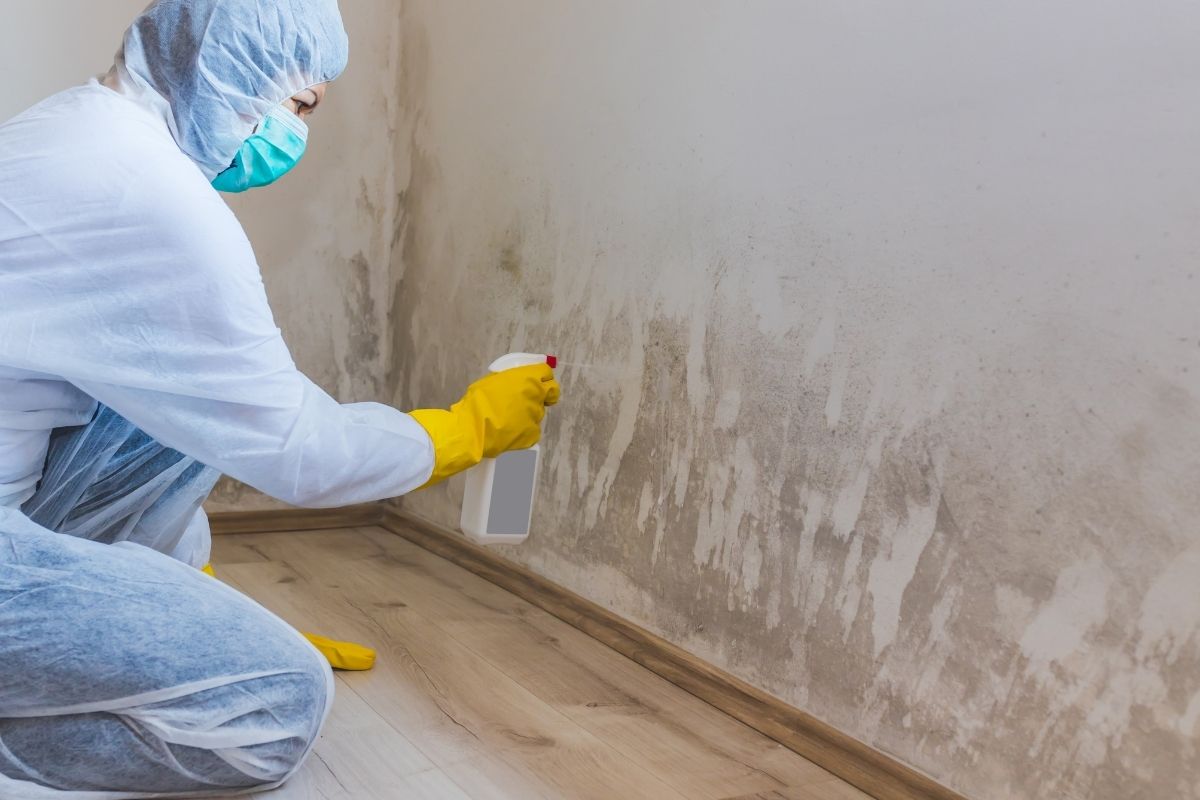
Speed matters after a flood. According to the EPA, water-damaged areas and materials should be dried within 24 to 48 hours to help prevent mold growth. The longer water sits, the more it soaks into drywall, insulation, subfloors, and framing.
Small amounts of clean water may be manageable with wet vacuums, fans, and dehumidifiers. Larger floods usually require professional water extraction, commercial drying equipment, and moisture meters to find water hidden behind walls and under floors. Wet carpet pads, saturated drywall, and insulation often need to be removed so the structure can dry completely.
Watch for Mold and Know When to Call a Professional
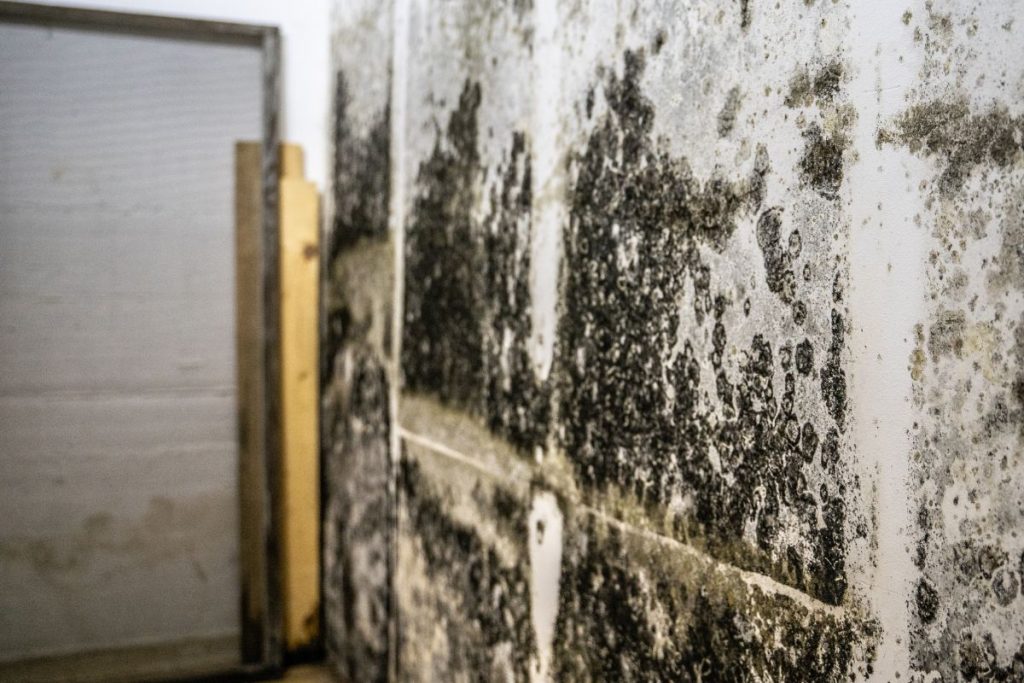
Even after surfaces look dry, moisture can remain trapped inside walls and floors, creating conditions for mold. Musty odors, discoloration, warped materials, and lingering dampness are all signs that more drying or remediation may be needed. Floodwater contaminated with sewage also requires careful cleanup and disinfection.
At Capital Restoration, we help homeowners in Woodbridge and throughout Northern Virginia recover from flooding with water extraction, structural drying, mold remediation, and repairs. If your home has flooded, acting quickly can make the recovery faster and less costly. Learn more about common causes of water damage in homes.