
Common Sources of Residential Water Damage and How to Spot Them
Understanding Where Water Damage Starts Can Help Homeowners Catch Problems Before They Become More Serious
Water damage can happen suddenly, such as when a pipe bursts or a major storm causes flooding. In other cases, it develops gradually from a small leak that remains hidden behind a wall, beneath flooring, or around an appliance for weeks or even months.
Knowing the most common causes of water damage can help homeowners recognize potential problems sooner. While not every water emergency can be prevented, routine maintenance and attention to early warning signs can reduce the risk of extensive damage to flooring, drywall, insulation, personal belongings, and other parts of the home.
Plumbing Leaks and Burst Pipes
Plumbing problems are among the most common sources of residential water damage. A major pipe failure can release a significant amount of water in a short period, but smaller leaks can be just as troublesome when they go unnoticed.
Pipes can leak because of corrosion, damaged connections, excessive water pressure, deterioration, or freezing temperatures. Leaks may occur beneath sinks, inside walls, above ceilings, or in other areas that make them difficult to detect immediately.
Pay Attention to Smaller Plumbing Problems
Not every plumbing issue begins with water pouring into a room. Homeowners should also watch for:
- Unexplained increases in water bills
- Damp or discolored drywall
- Water stains on ceilings
- Musty odors
- Reduced water pressure
- Sounds of running or dripping water when fixtures are off
Addressing a small leak early can help prevent moisture from spreading into surrounding building materials.
Appliance and Fixture Failures
Many household appliances rely on a constant water supply, creating another potential source of leaks. Washing machines, dishwashers, refrigerators with water lines, water heaters, toilets, sinks, and other fixtures can all cause damage when hoses, seals, connections, or internal components fail.
Some failures happen suddenly. A disconnected washing machine hose, for example, can release water quickly. Others develop slowly as a connection begins dripping behind an appliance where the problem may not be visible.
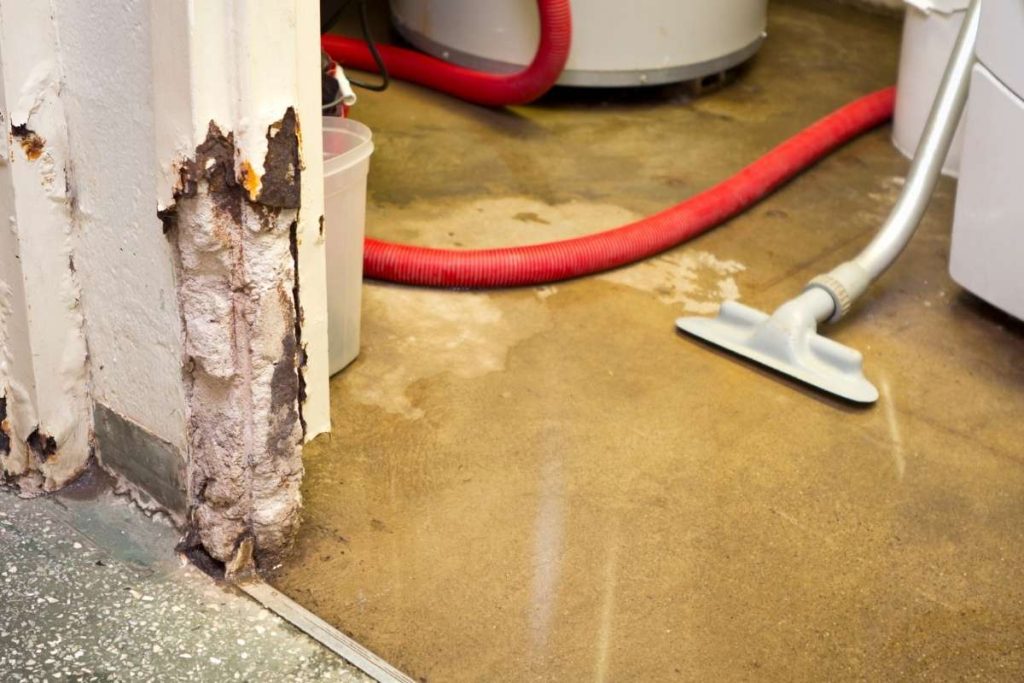
Water heaters deserve particular attention because a leaking or failed tank can release a large volume of water. Regularly inspecting appliances and visible supply lines for corrosion, cracks, moisture, or deterioration can help homeowners identify potential issues before a larger failure occurs.
Roof Leaks and Weather-Related Damage
The home’s plumbing system is not the only way water gets inside. Roof damage and severe weather can allow rainwater to enter areas that should remain dry.
Roof Leaks
Missing or damaged shingles, deteriorated flashing, damaged roof penetrations, and other roofing problems can allow water into the attic and eventually into ceilings and walls. Because the visible stain may appear some distance from the actual roof leak, identifying the source is not always straightforward.
Storms and Heavy Rain
Wind-driven rain can enter through damaged roofing, siding, windows, doors, or other vulnerable areas of the building envelope. Severe storms may also damage the roof itself, creating new openings for water.
After significant weather events, checking the home for signs of water intrusion can help catch problems before repeated rainfall causes additional damage.
Drainage and Moisture Problems

Water damage can also originate outside the home. Gutters, downspouts, grading, and drainage systems are designed to direct rainwater away from the structure. When they are clogged, damaged, or improperly configured, water may collect near the foundation instead.
Over time, persistent moisture around the home can contribute to water intrusion in basements, crawl spaces, or lower levels. Heavy rainfall and local flooding can make these problems more severe.
Inside the home, condensation and excess humidity can create additional moisture concerns. Bathrooms, basements, crawl spaces, attics, and other poorly ventilated areas may develop persistent dampness that can damage materials or encourage mold growth.
Keeping gutters clear, directing downspouts away from the foundation, maintaining appropriate drainage, and controlling indoor humidity can all help reduce these risks.
Warning Signs of Hidden Water Damage
Not all water damage is immediately visible. By the time water begins dripping from a ceiling or pooling on the floor, moisture may already have affected materials behind the surface.
Look for changes such as bubbling or peeling paint, warped flooring, soft drywall, staining, unexplained odors, or areas that remain unusually damp. Mold growth can also indicate that moisture has been present, although the source still needs to be identified and corrected.
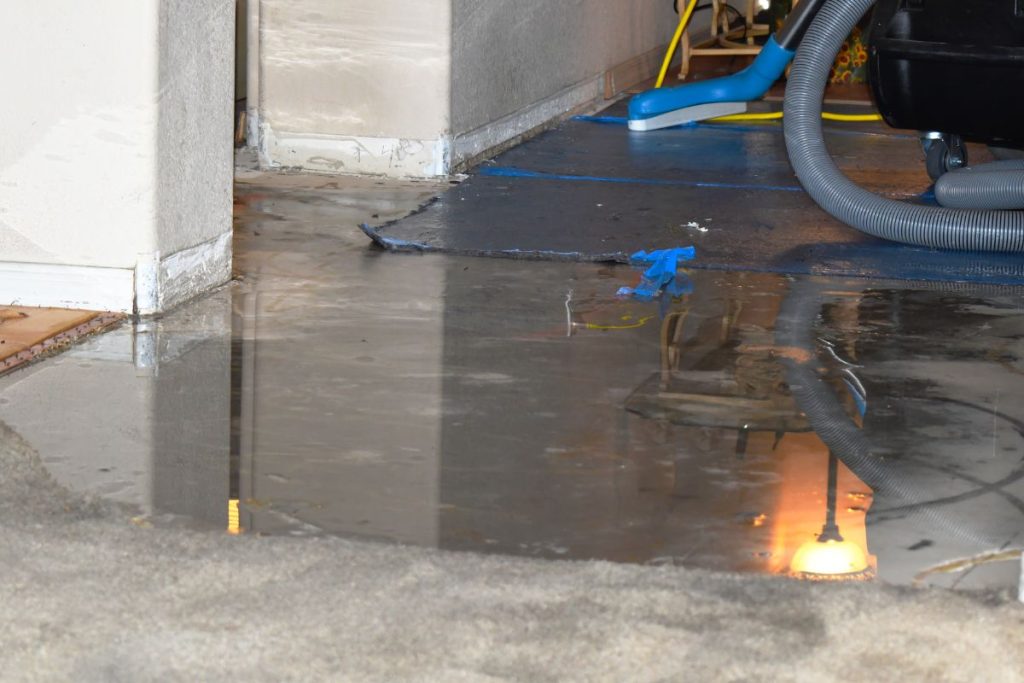
When water damage does occur, responding quickly is important. Standing water and moisture trapped inside building materials can continue causing damage even after the original leak has stopped.
Capital Restoration provides water damage restoration services to help homeowners address water intrusion, remove excess moisture, dry affected areas, and restore damaged portions of the home. Identifying the source and beginning the drying process as quickly as possible can help limit the extent of the damage and move the property toward recovery.