
The First Steps to Take After Your Home Suffers Property Damage
Knowing What to Do After a Fire, Storm, Flood, or Other Emergency Can Help Protect Your Family and Your Property
Discovering serious damage to your home can be overwhelming. Whether the damage was caused by a fire, severe weather, flooding, a burst pipe, or another unexpected event, the decisions made in the first few hours can affect both your safety and the restoration process.
The most important priority is always protecting the people inside the home. Once everyone is safe, documenting the damage, preventing additional problems when possible, contacting the appropriate professionals, and beginning the insurance process can help move recovery forward.
Step 1: Make Sure Everyone Is Safe
Before worrying about damaged belongings or repairs, make sure everyone has safely left any area that may present a hazard. Fire damage, standing water, structural instability, electrical problems, gas leaks, and storm damage can all create dangers that may not be immediately obvious.
If emergency services have responded, follow their instructions and do not reenter the property until authorities say it is safe. A home that appears stable from the outside can still contain compromised floors, ceilings, walls, electrical systems, or other hazards.
Know When to Stay Out
Avoid entering or remaining in the home if you notice conditions such as:
- Visible structural instability
- Active fire or heavy smoke
- Standing water near electrical systems
- Downed or damaged electrical lines
- A suspected gas leak
- Collapsed ceilings or roofing
- Instructions from emergency personnel to remain outside
Personal belongings can be replaced or restored. Safety should always come first.
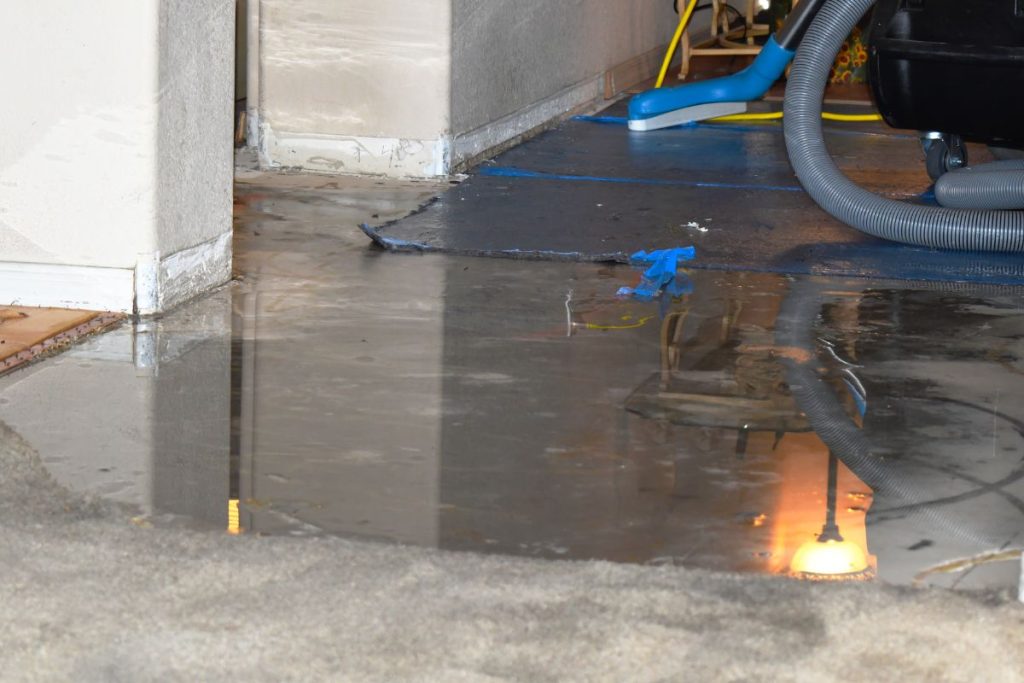
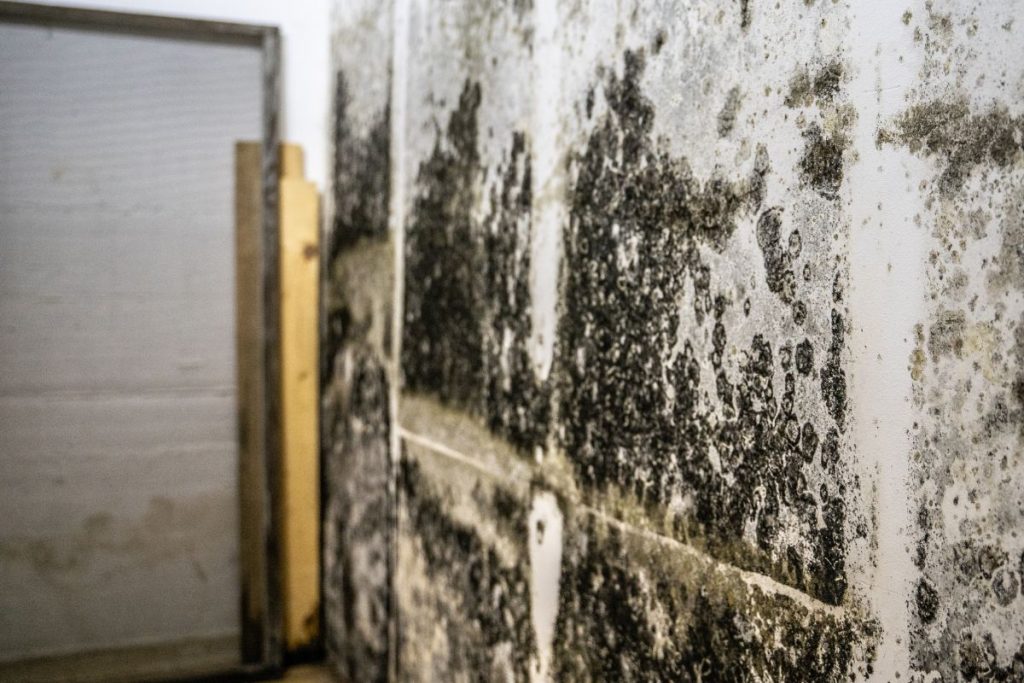
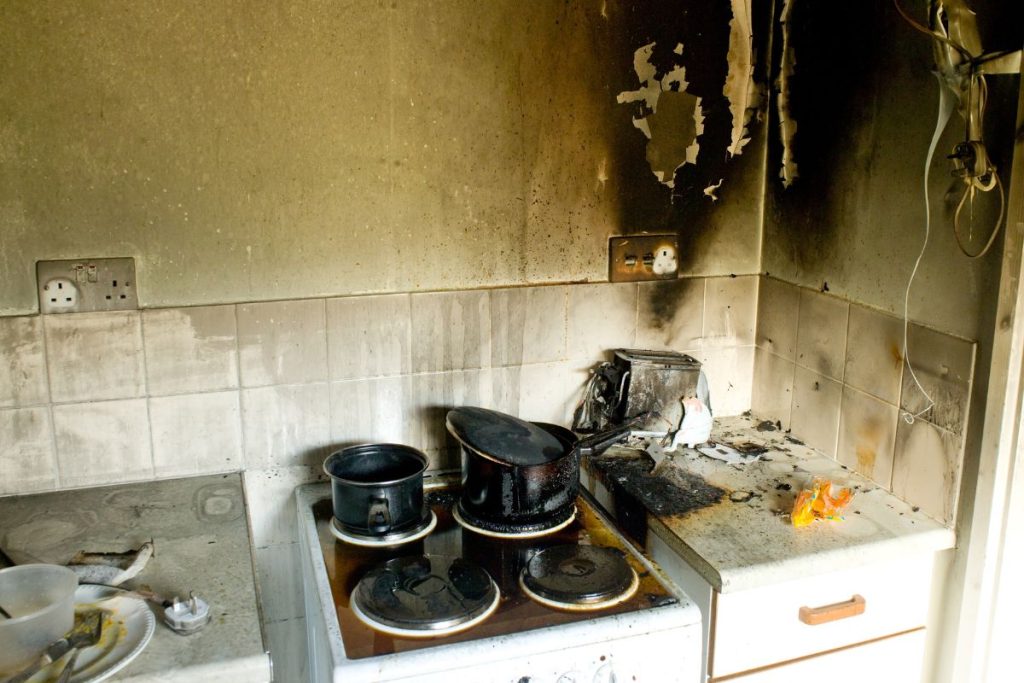
Step 2: Prevent Additional Damage When Possible
Once the immediate danger has passed, the next priority is limiting further damage. A damaged roof can allow additional rain into the home, while a broken pipe can continue releasing water and an unsecured opening can expose the property to weather.
Only take actions that can be performed safely. Depending on the situation, that might mean shutting off the home’s water supply or moving undamaged belongings away from an affected area. More significant emergency measures should be left to professionals.
Restoration teams may provide services such as emergency board-ups, roof tarping, water extraction, drying, or other temporary stabilization measures. Acting quickly can help prevent an initial problem from becoming more extensive.
Step 3: Document the Damage
Before cleanup or permanent repairs begin, create a record of the property’s condition whenever it is safe to do so. Thorough documentation can be useful when filing an insurance claim and establishing what was damaged.
Take photos and videos from multiple angles, including both wide views of affected rooms and closer images of individual damage. Document damaged furniture, appliances, electronics, flooring, walls, ceilings, and personal belongings.
Keep Important Information Together
As recovery begins, it can also help to keep a dedicated record containing:
- Photos and videos of the damage
- A list of damaged or destroyed belongings
- Insurance claim information
- Receipts for emergency expenses
- Contractor and restoration company information
- Copies of estimates and invoices
Avoid throwing damaged items away until they have been documented and you have confirmed whether your insurer needs to inspect them.
Step 4: Contact Your Insurance Company

Notify your homeowners insurance company as soon as reasonably possible after the loss. The insurer can explain how to open a claim, what documentation is needed, and what steps should be taken next.
Be prepared to provide basic information about what happened, when the damage occurred, and which parts of the property were affected. An adjuster may also need to inspect the home before certain permanent repairs are completed.
At the same time, do not delay necessary emergency measures simply to wait for an adjuster if doing so could allow the property to sustain additional damage. Keep records and receipts for any emergency work performed so those expenses can be documented as part of the claim.
Step 5: Begin the Restoration Process
Once immediate hazards have been addressed and the damage has been documented, the focus can shift toward restoring the property. The exact process depends on the type and extent of the loss.
Water damage may require extraction, drying, dehumidification, and evaluation for hidden moisture. Fire damage can involve removing damaged materials, cleaning smoke and soot, addressing odors, and reconstructing affected areas. Storm damage may require roof, siding, window, or structural repairs.
A professional restoration team can evaluate the property, identify the work required, and develop a plan for moving from emergency stabilization through repairs and reconstruction.
Capital Restoration provides emergency restoration and reconstruction services for homeowners dealing with fire, water, storm, and other property damage. Getting experienced professionals involved early can help stabilize the property, assess the full extent of the damage, and create a clearer path toward restoring the home.