
What Are the Most Common Signs of Mold in a Home?
How to Spot Hidden Mold Early and What to Do When You Find It
Mold is one of the most common problems homeowners face after a leak or flood, and it is not always easy to see. It can grow behind drywall, under flooring, inside cabinets, and in attics and crawl spaces long before it shows up on a visible surface. The sooner you recognize the warning signs, the easier and less expensive it is to fix.
Mold almost always starts with moisture, so it often follows the problems covered in our article on the most common causes of water damage in homes. Here are the signs that mold may be growing in your home, where to look, and when it is time to call a professional.
A Musty, Earthy Odor
A persistent musty smell is often the first sign of mold, especially when you cannot see any growth. The odor comes from gases that mold releases as it grows. If a room, closet, or basement smells damp or stale and the smell returns after cleaning and airing out the space, there is a good chance mold is growing somewhere out of sight.
Pay attention to smells that get stronger when the heat or air conditioning runs. That can point to moisture and mold inside your HVAC system or ductwork.
Visible Spots, Discoloration, and Water Stains
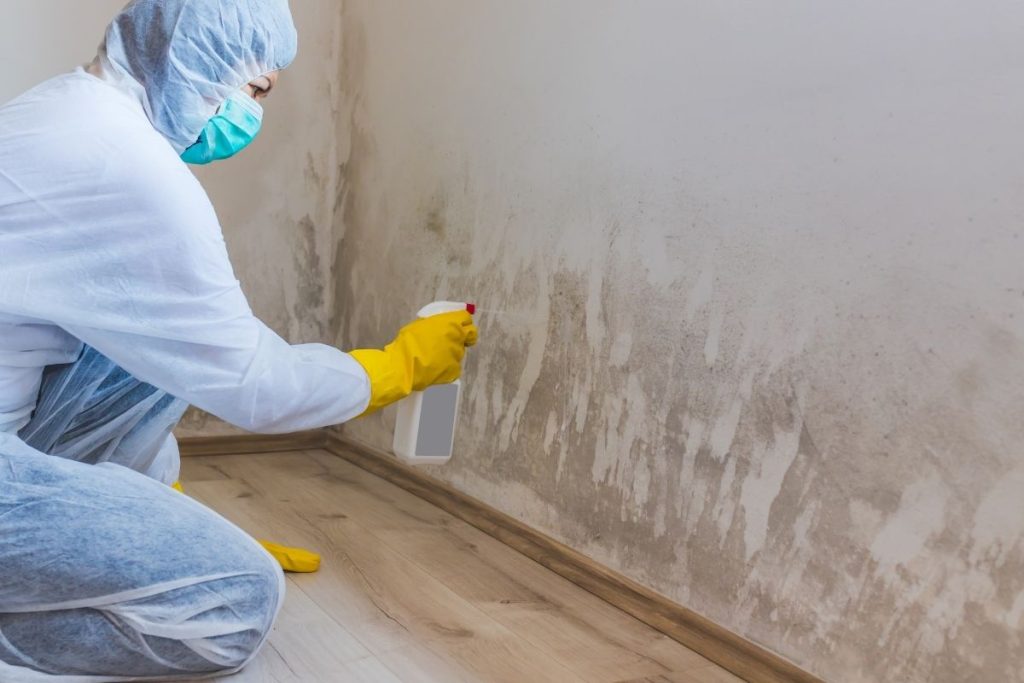
Mold can look fuzzy, slimy, or powdery, and it comes in many colors, including black, green, gray, white, and brown. It often first appears as small spots or speckles that spread over time. Common places to look include:
- Bathroom ceilings, grout, caulk, and around tubs and showers
- Under kitchen and bathroom sinks
- Around windows where condensation collects
- Basement walls, crawl spaces, and attics
- Behind furniture placed against exterior walls
Yellow or brown water stains on ceilings and walls are also important clues. Even if no mold is visible yet, a stain means moisture has been there, and mold may be growing behind the surface.
Peeling Paint, Warped Walls, and Damaged Materials
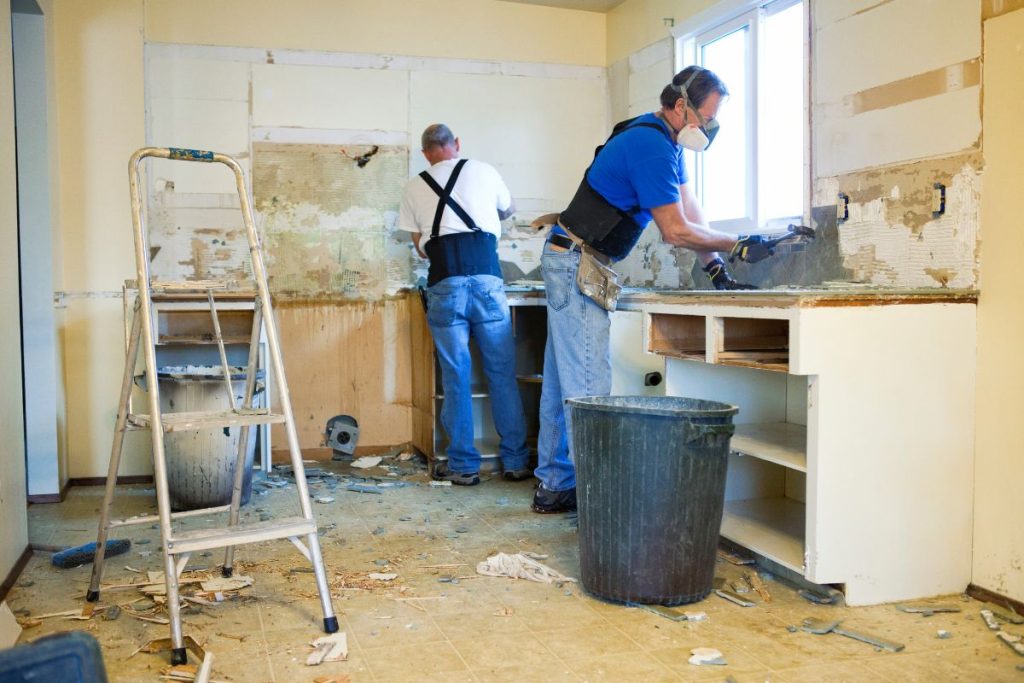
Moisture trapped inside walls and floors often changes the way surfaces look and feel. Watch for paint or wallpaper that bubbles, cracks, or peels; drywall that feels soft or bows outward; baseboards that are swelling or separating; and floors that warp, buckle, or feel spongy.
These signs point to an ongoing moisture problem, and wherever building materials stay damp, mold is likely to follow. Hidden leaks from plumbing, roofs, or foundation cracks are some of the most common causes.
Keep an eye on indoor humidity as well. Condensation on windows, a damp feel in the air, or a dehumidifier that fills up quickly are all signs of excess moisture. The EPA recommends keeping indoor humidity below 60 percent, and ideally between 30 and 50 percent, to help prevent mold growth.
Allergy Symptoms and Recent Water Damage

Mold can affect indoor air quality. Some people notice allergy-like symptoms at home, such as sneezing, a runny nose, itchy eyes, coughing, or skin irritation, that improve when they leave the house.
People with asthma, allergies, or weakened immune systems can be more sensitive. If you have health concerns, talk with your doctor.
Pets can be affected too, and some homeowners first notice a problem when a pet starts sneezing or scratching more than usual in a particular room.
Any recent water event is also a warning sign on its own. After a flood, burst pipe, roof leak, or sewer backup, mold can begin to grow on wet materials within 24 to 48 hours if they are not dried properly. If your home has recently flooded, our guide on what to do when your house floods explains the first steps.
When to Call a Mold Remediation Professional
According to the EPA, small areas of mold (less than about 10 square feet) on hard surfaces can often be cleaned by homeowners, as long as the moisture problem is also fixed. You should call a professional when:
- The affected area is larger than about 10 square feet
- Mold is inside walls, ductwork, or other hidden spaces
- The growth followed sewage or contaminated floodwater
- Mold keeps coming back after cleaning
Professional remediation finds the moisture source, contains the affected area, removes contaminated materials, and dries the space so mold does not return. Capital Restoration provides mold remediation for homes in Woodbridge, Alexandria, and throughout Northern Virginia. Contact us if you suspect mold in your home.