
What to Do Immediately After a House Fire
A Step-by-Step Guide for the First Hours and Days After a Fire
A house fire is one of the most overwhelming things a family can go through. Even after the flames are out, you are left with smoke, soot, water from firefighting efforts, and a long list of decisions to make while you are still in shock. Knowing what to do first can protect your safety, your insurance claim, and what is left of your home.
Our general guide on what to do immediately after your home is damaged covers the basics for any type of disaster. This article focuses specifically on fire: the hazards that are unique to fire-damaged homes, how to handle smoke and soot, and how to start the restoration process the right way.
Wait for the All-Clear Before Going Back Inside
Do not re-enter your home until the fire department tells you it is safe. Fires can smolder inside walls and attics and reignite hours later, and fire-damaged structures can have weakened floors, ceilings, and stairs.
When you are allowed back in, go carefully and only for essentials. Do not turn on the electricity, gas, or water until a qualified professional has checked them. Wear sturdy shoes, gloves, and a mask if possible, because soot and ash can contain harmful particles. If the home is not livable, contact family, friends, your insurance company, or a disaster relief organization such as the American Red Cross for temporary housing.
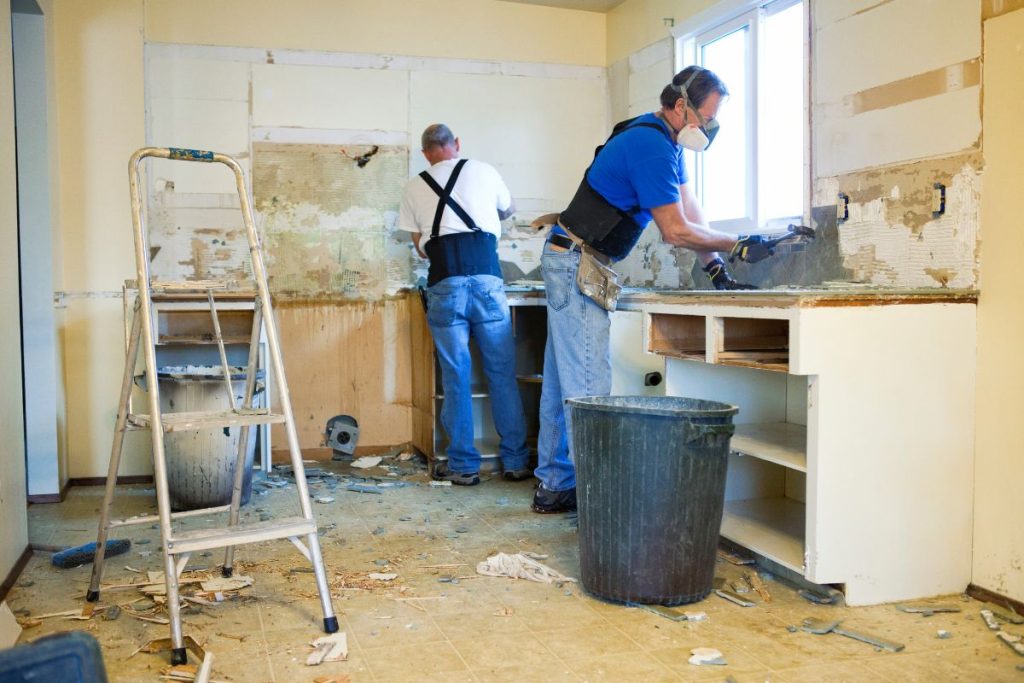
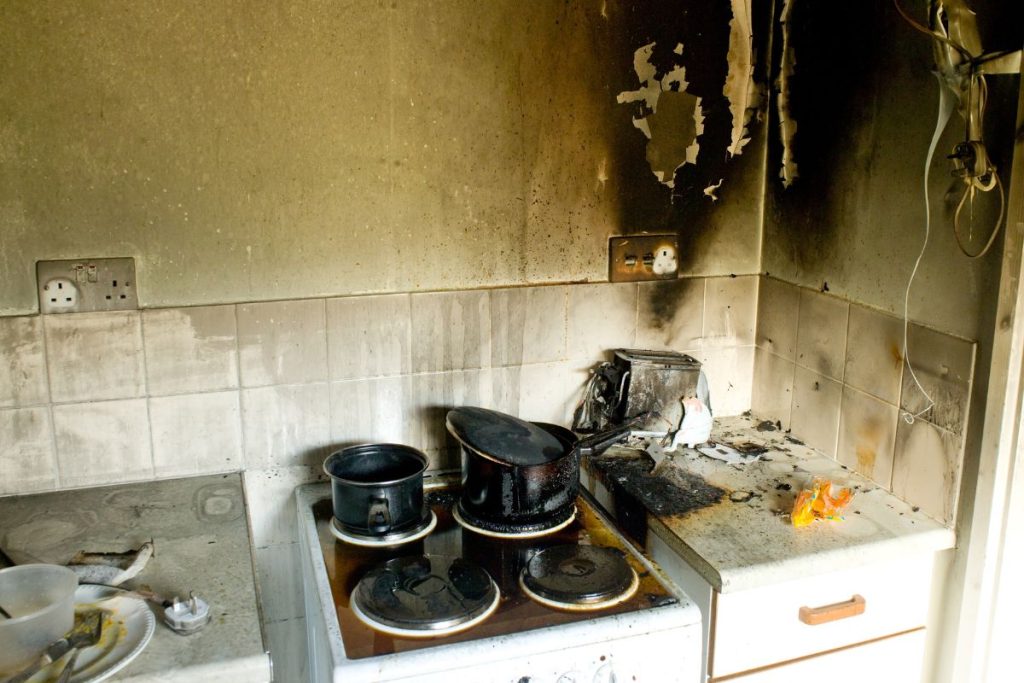
Contact Your Insurance Company and Document the Damage
Call your insurance company as soon as possible to start a claim. Ask what your policy covers for temporary living expenses, repairs, and personal property, and write down your claim number and adjuster’s contact information.
- Take photos and video of every room before anything is moved or cleaned.
- Make a list of damaged belongings, including approximate age and value.
- Keep receipts for hotels, meals, clothing, and other expenses caused by the fire.
- Get a copy of the fire department report for your records.
If you are unsure who to call first, our article on whether to call your insurance company or a restoration company first explains how the two work together.
Secure Your Property
Once the fire is out, your home may have broken windows, holes in the roof, or doors that no longer lock. An unsecured home is vulnerable to weather, theft, and further damage, and many insurance policies expect homeowners to take reasonable steps to prevent additional loss.
Emergency board-up of windows and doors and roof tarping keep rain and intruders out while you plan repairs. A restoration company can typically handle this on an emergency basis, often within hours of your call.
While you wait for repairs, remove valuables, important documents, and medications if it is safe to do so, and let your neighbors and mail carrier know the home is vacant. If you need to retrieve items later, check with your insurance adjuster first so nothing is removed that they still need to inspect.
Why Smoke, Soot, and Water Damage Need Fast Attention
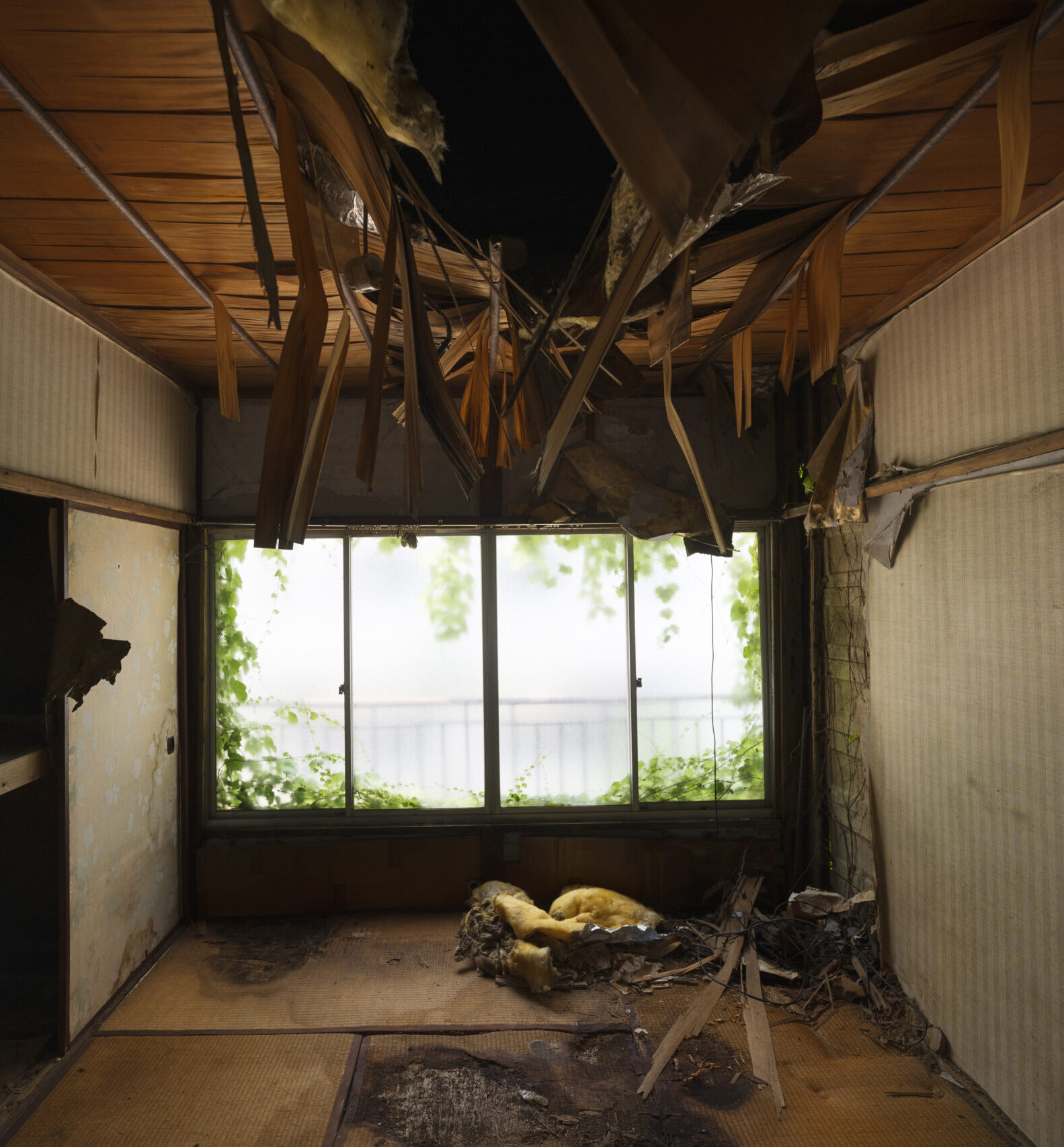
The visible fire damage is often only part of the problem. Smoke travels throughout the home and leaves soot on walls, ceilings, furniture, and inside HVAC ductwork. Soot is acidic and can permanently discolor and corrode surfaces if it sits too long. Smoke odor also soaks into drywall, insulation, carpet, and fabrics.
Firefighting also leaves behind a large amount of water. Wet drywall, flooring, and insulation can begin to develop mold within 24 to 48 hours if they are not dried properly. Avoid trying to wipe soot off walls or upholstery yourself, since the wrong cleaning method can smear it deeper into surfaces. Throw away food, medicine, and cosmetics that were exposed to heat, smoke, or soot.
Your HVAC system deserves special attention. Running the heat or air conditioning before the system and ducts are cleaned can spread soot and odor into rooms that were not directly affected by the fire. Leave the system off until it has been inspected, and change the filter once it is cleared to run again.
Start the Fire Restoration Process
Professional fire restoration typically includes an assessment of the damage, water removal and drying, soot and smoke cleanup, odor removal, content cleaning or pack-out, and finally repairs and rebuilding. Starting quickly helps limit secondary damage and can make the difference between cleaning an item and replacing it.
Capital Restoration provides 24/7 fire damage restoration for homeowners in Woodbridge, Alexandria, Prince William County, and throughout Northern Virginia. If your home has been affected by fire, contact our team and we will help you take the next steps.