
Should You Call Your Insurance Company or a Restoration Company First?
How to Handle the First Calls After Water, Fire, or Storm Damage to Protect Your Home and Your Claim
When your home is damaged by water, fire, or a storm, two phone calls usually come to mind right away: your insurance company and a restoration company. Many homeowners hesitate because they aren’t sure which call should come first, or they worry that starting cleanup before talking to their insurer could affect their claim.
The short answer is that in many situations, you can and should contact both quickly. The more important question is how to protect your home from further damage while keeping your claim on track. Here’s how to approach those first calls.
Why Both Calls Are Time-Sensitive
Damage often gets worse with time. Water spreads into walls and floors, mold can begin to develop, and smoke residue can continue to affect surfaces and belongings. At the same time, insurance companies generally expect claims to be reported promptly.
Because of this, many homeowners call a restoration company to stop active damage and contact their insurance company the same day. Waiting days to start either step can make the situation more difficult and more costly.
Calling both quickly also helps everyone work from the same information. When your restoration company documents moisture readings, affected materials, and the steps taken to stabilize your home, that record can support the details you share with your insurance adjuster. Clear communication from the start reduces delays and misunderstandings later in the claims process.
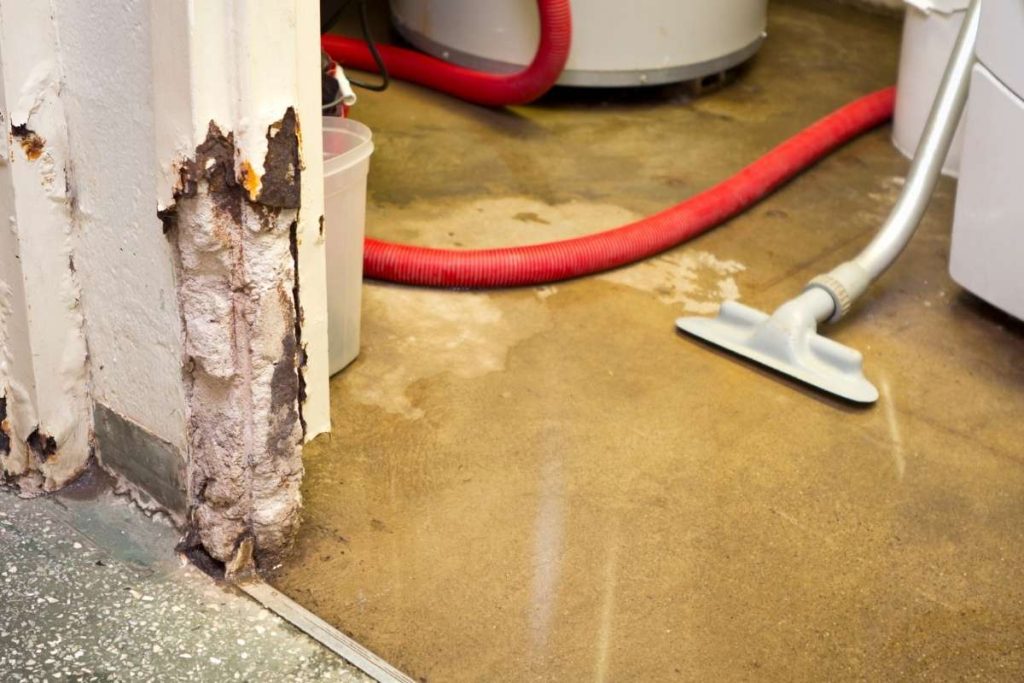
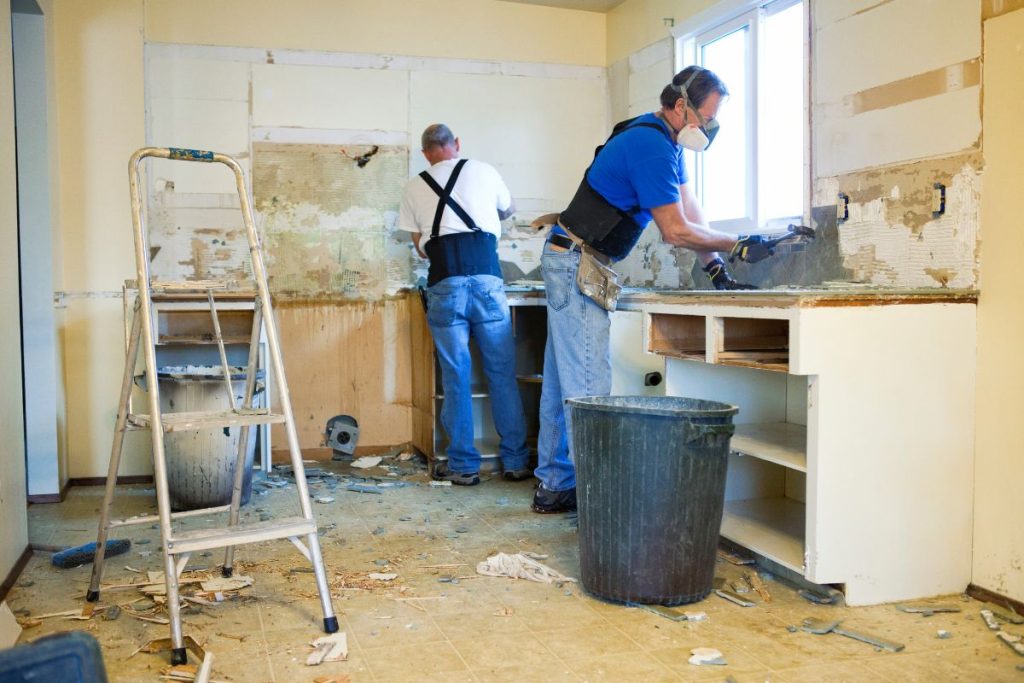
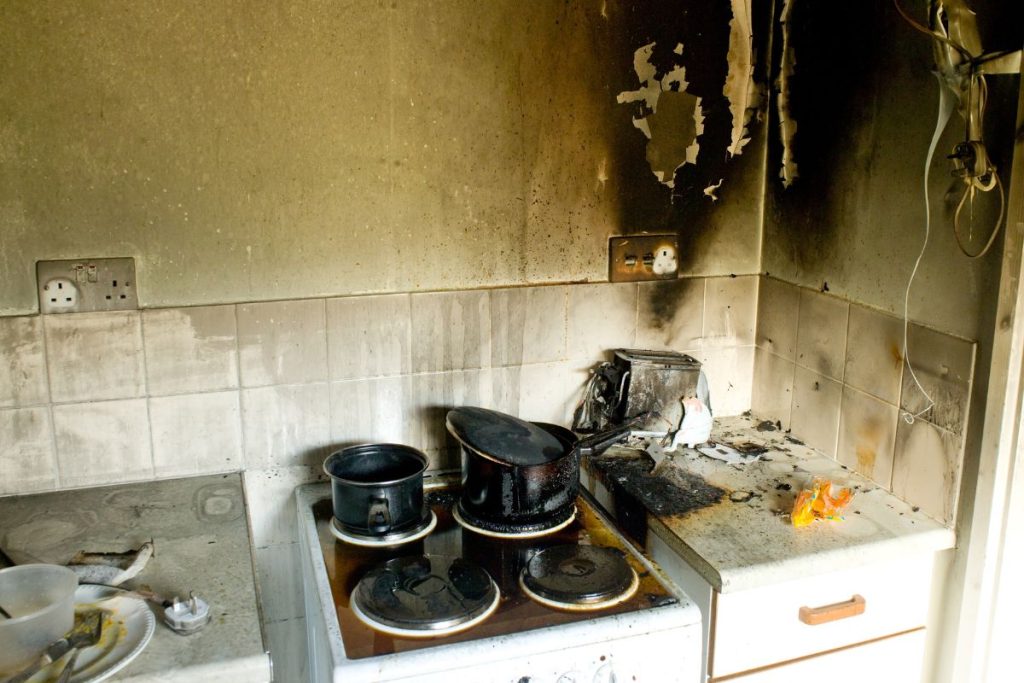
Your Responsibility to Prevent Further Damage
Most homeowners insurance policies include a requirement that you take reasonable steps to protect your property from additional damage after a loss. This is often called mitigation. Examples include:
- Shutting off the water supply after a pipe bursts
- Extracting standing water and starting the drying process
- Tarping a damaged roof or boarding up broken windows
- Securing the property after a fire
Damage that results from failing to take reasonable action may not be covered, so emergency mitigation is usually not something to put off while waiting for an adjuster. Keep receipts for any emergency work and supplies.
When to Call Your Insurance Company First
In some situations, it makes sense to contact your insurance company before scheduling work beyond emergency mitigation:
- When the damage is minor and not getting worse
- When you’re unsure whether the damage is covered under your policy
- When your insurer requires approval before certain repairs
- When you need to understand your deductible before deciding whether to file
Your insurer can explain how to report the claim, what documentation they need, and how the adjuster process works. Remember that emergency steps to prevent further damage generally should not wait.
What a Restoration Company Can Do Right Away
A restoration company can respond quickly to stabilize your home. Common emergency services include water extraction, structural drying, board-up and tarping, and smoke and soot cleanup. Restoration professionals can also document damage with photos, moisture readings, and detailed notes, which can be helpful when you work with your insurance company.
It’s also important to know that, in most cases, you have the right to choose your own restoration company. Your insurer may recommend vendors, but you can select a qualified company you trust. For a full checklist of first steps, see our guide on what to do immediately after your home is damaged.
A Simple Plan for the First 24 Hours
If your home is damaged, focus on these steps in order: make sure everyone is safe, stop the source of damage if possible, document everything with photos and video, call a restoration company for emergency mitigation, and report the claim to your insurance company. Keep a log of every call, including names, dates, and claim numbers.
At Capital Restoration, we help homeowners throughout Woodbridge and Northern Virginia respond to water, fire, and storm damage quickly and work alongside insurance companies throughout the restoration process. When damage happens, we’re here to help you take the right next step.